
 By Ryan Harper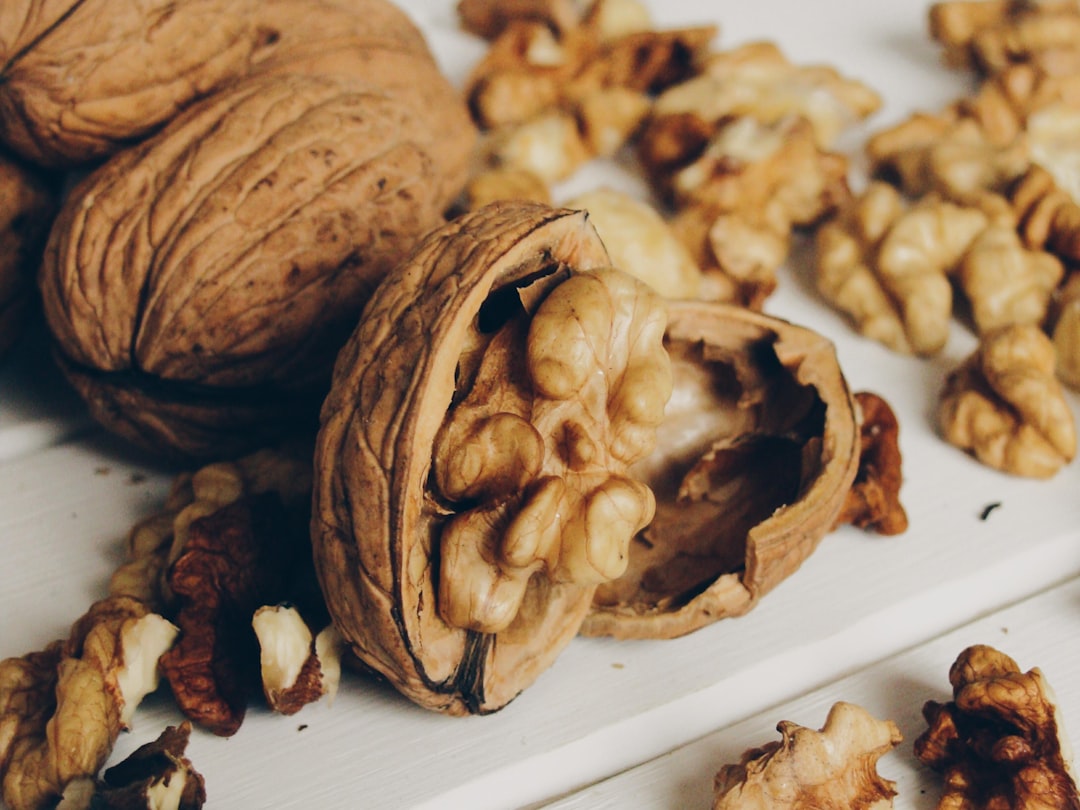
Want clearer thinking, better memory, and steadier focus without supplements? Try food first: here are nine research-backed choices you can add to meals this week to support healthy brain function.
Fatty Fish for Sharper Memory and Focus
Fatty fish like salmon, sardines, and mackerel are rich in omega-3 fatty acids, specifically DHA, which build brain cell membranes and support neural signaling. Regular servings have been linked to improved memory and a reduced risk of cognitive decline as you age.
Add fish to your rotation two to three times a week, aim for 3 to 4 ounces per serving, and choose wild-caught or sustainably farmed options when possible. If you do not eat fish, algae-based omega-3 supplements provide DHA without animal sources.
Pro Tip: Pair fatty fish with a squeeze of lemon and a side of greens to boost absorption and create a balanced, brain-friendly meal.
Blueberries to Protect Cells and Boost Recall
Blueberries are high in flavonoids, compounds that reduce oxidative stress and inflammation, both of which harm brain cells. Studies suggest regular blueberry consumption can improve memory and slow age-related cognitive changes.
Fresh or frozen blueberries work well in smoothies, oatmeal, or yogurt. Try a half-cup to one cup daily, and mix them into breakfasts or snacks so you get consistent, small doses rather than a single large portion.
Quick Tip: Freeze extra berries in single-serve bags for quick smoothies or to top cereal without wasting fresh fruit.
Turmeric to Calm Inflammation and Support Mood
Turmeric contains curcumin, a compound known for anti-inflammatory and antioxidant effects that can cross the blood-brain barrier. Research links curcumin to improved memory and reduced markers of brain inflammation when consumed regularly.
To enhance absorption, combine turmeric with black pepper and a healthy fat like olive oil or coconut milk. Add it to stews, dressings, or make a turmeric latte for a daily boost.
Expert Insight: Use about 1 teaspoon of ground turmeric per serving and pair it with a pinch of black pepper to maximize curcumin uptake.
Broccoli for Long-Term Brain Resilience
Broccoli and other cruciferous vegetables are rich in antioxidants and compounds like sulforaphane, which support detoxification and may protect neurons. They also contain vitamin K, linked to better cognitive function and brain health.
Lightly steaming broccoli preserves nutrients while making it easier to digest. Include a generous cup in meals several times per week, or swap in cauliflower and Brussels sprouts for variety and similar benefits.
Insider Tip: Chop raw broccoli stems into salads for extra crunch and fiber; the stem often contains concentrated nutrients.
Pumpkin Seeds for Micronutrients That Support Signaling
Pumpkin seeds are small but nutrient-dense, offering magnesium, zinc, iron, and copper, all important for neuron signaling and mood regulation. A handful daily can help fill gaps that hinder cognitive performance.
Sprinkle pumpkin seeds on salads, yogurt, or roasted vegetables, or eat them as a standalone snack. Toast them lightly with a pinch of salt and spices for a shelf-stable brain-boosting treat.
Heads Up: Stick to a small handful per day, about one ounce, to get benefits without excess calories.
Dark Chocolate to Enhance Focus and Motivation
High-quality dark chocolate, with at least 70 percent cocoa, contains flavonoids that improve blood flow to the brain and support memory and attention. The mild caffeine and theobromine content can also sharpen short-term focus.
Enjoy a small square after meals or as a mid-afternoon pick-me-up. Balance is key: choose single-origin chocolate when possible and limit portion size to avoid added sugars and excess calories.
Worth Knowing: Aim for 1 ounce of 70 percent or higher dark chocolate a few times per week to get cognitive benefits without overindulging.
Walnuts for Mood and Cognitive Speed
Walnuts are one of the few nuts high in alpha-linolenic acid, a plant-based omega-3, and they also provide antioxidants and vitamin E. Regular walnut intake has been associated with improved cognitive performance and mood stability.
Add a small handful to breakfasts, salads, or trail mix, and use walnut oil in dressings for a subtle nutty flavor. Keep portions to about one ounce to avoid extra calories while still getting brain-supporting fats.
Pro Tip: Chop walnuts and freeze them to extend freshness; add frozen pieces to hot oatmeal or soups for texture and nutrition.
Eggs for Memory, Thanks to Choline
Eggs are one of the best dietary sources of choline, a nutrient the body uses to produce acetylcholine, a neurotransmitter important for memory and learning. Regular egg intake supports healthy brain structure and cognitive performance.
Include eggs in breakfasts, salads, or quick dinners three to four times weekly. If cholesterol is a concern, use a mix of whole eggs and egg whites while keeping overall dietary patterns balanced and rich in fiber.
Quick Tip: Hard-boil a few eggs at the start of the week for grab-and-go, brain-friendly snacks that pair well with a piece of fruit.
Green Tea for Calm Alertness and Memory
Green tea contains both caffeine and L-theanine, a combination that promotes calm alertness and improved attention without the jittery side effects of coffee. The polyphenols in green tea also offer antioxidant benefits for brain cells.
Drink one to three cups daily, either hot or iced, and consider matcha for a concentrated dose of nutrients and sustained energy. Avoid adding heavy sweeteners, which can counteract cognitive benefits.
Expert Insight: Try a morning cup and an afternoon cup to smooth energy dips and support focus during work or study sessions.
Feed Your Brain: Which One Will You Try First?
Pick two foods from this list to add to your weekly meals, aim for simple swaps, and track any changes to focus or memory over a month. Which of these nine will you try this week and how will you prepare it?